The difference between glass lined reactor and stainless steel reactor
By Thomas Huang
August 6th, 2024
1420 views
Explore the structural nuances, optimal work conditions, and diverse applications of glass-lined reactors and stainless steel reactors, essential for informed decision-making in chemical and pharmaceutical industries. Understand how each reactor type excels in specific scenarios, ensuring safety, efficiency, and product quality.
What is the difference between SSR and GLR reactor?
In the realm of chemical processing and pharmaceutical manufacturing, selecting the appropriate reactor is crucial for ensuring efficiency, safety, and product quality. Two prevalent options that often come to the forefront are glass-lined reactors and stainless steel reactors. Each boasts unique properties and advantages, tailored to specific needs and operating conditions. This article delves into the structural differences, work conditions, and application disparities between these two reactor types, helping you make an informed decision for your unique process.
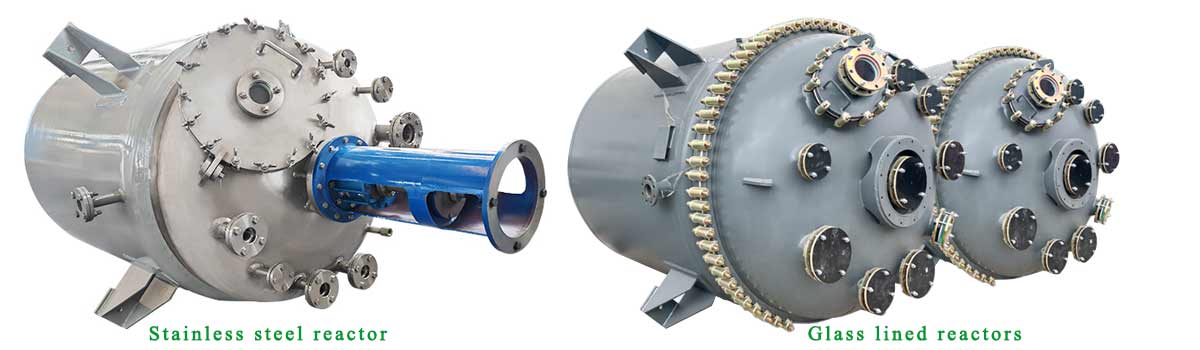
1. Structure Differences
Glass-Lined Reactors
- Core Construction: Glass-lined reactors, also known as enamel reactors, feature an inner layer of high-quality borosilicate glass fused onto a steel shell. This fusion creates a seamless, corrosion-resistant barrier, ideal for handling aggressive chemicals.
- Durability: The glass lining provides exceptional resistance to strong acids, mild alkalis, and solvents, minimizing material degradation and leakage risks. However, impact resistance is limited, requiring careful handling to avoid chipping or cracking.
- Insulation: The glass layer also acts as an efficient insulator, helping maintain reaction temperatures and reducing energy consumption.
Stainless Steel Reactors
- Alloy Composition: Stainless steel reactors are constructed from various grades of stainless steel alloys, such as 304 or 316L, renowned for their strength, durability, and resistance to corrosion.
- Versatility: Stainless steel offers superior mechanical strength, enabling the fabrication of reactors in various shapes, sizes, and configurations. This versatility allows for customization to fit specific process needs.
- Maintenance: While stainless steel reactors are more resilient to impact, they may require periodic passivation or cleaning to maintain surface integrity and corrosion resistance.
2. Work Condition Difference
Glass-Lined Reactors
- Temperature Range: Glass-lined reactors generally operate within a narrower temperature range (typically -20°C to +200°C), as extreme temperatures can compromise the integrity of the glass lining.
- Pressure Limits: Pressure ratings vary but tend to be moderate, suitable for many chemical reactions under controlled conditions.
- Sensitivity to Abrasion: The glass lining is susceptible to abrasion and scratches from solid particles or agitated media, necessitating careful process design and material selection.
Stainless Steel Reactors
- Broad Temperature Range: Stainless steel reactors can withstand a broader range of temperatures, from cryogenic to high-temperature processes, making them ideal for diverse applications.
- High Pressure Capability: Capable of withstanding significant pressures, stainless steel reactors are often chosen for demanding reactions requiring intense mixing or pressure cycling.
- Abrasion Resistance: The stainless steel surface is more resistant to abrasion, suitable for processes involving abrasive solids or high-shear mixing.
3. Application Difference
Glass-Lined Reactors
- Pharmaceuticals: Widely used in the pharmaceutical industry for reactions involving sensitive or reactive compounds, ensuring product purity and minimizing contamination risks.
- Fine Chemicals: Ideal for synthesizing fine chemicals where precise control over reaction conditions and minimal material interaction are crucial.
- Food & Beverage: Suitable for processing acidic or alkaline foods and beverages, preserving flavor and nutritional content.
Stainless Steel Reactors
- Petrochemicals: Commonly deployed in petrochemical processing, where high temperatures, pressures, and aggressive chemicals are encountered.
- Specialty Chemicals: Ideal for the production of specialty chemicals requiring intense mixing, high pressures, or temperatures exceeding glass-lined reactor capabilities.
- Wastewater Treatment: Stainless steel reactors are also employed in wastewater treatment processes, handling corrosive or abrasive waste streams.
Previous
Sainless steel reactor advantages
Read More
Next
Stainless steel composite plate outer half pipe reactor design structure analysis
Read More


